A roof that has gone green all by itself. On the unplanned vegetation of northern Tenerife
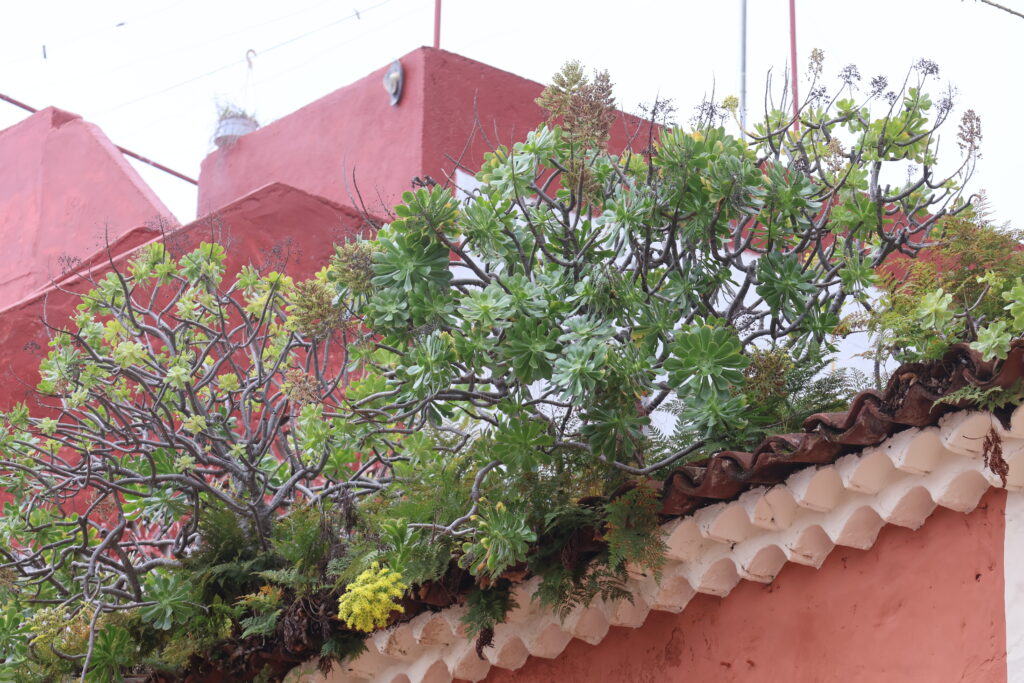
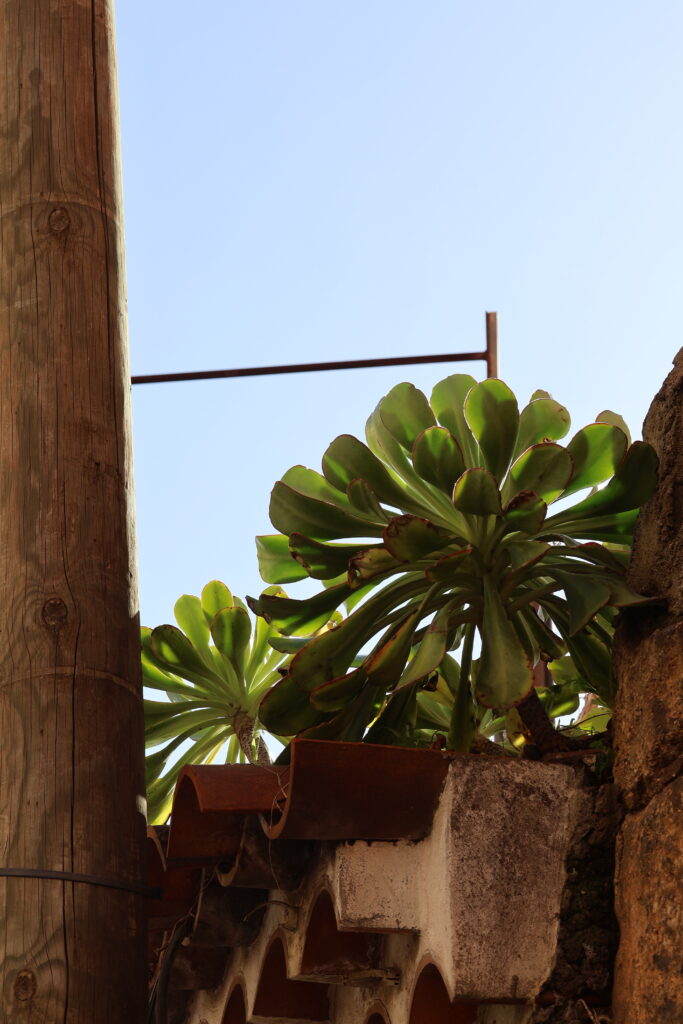
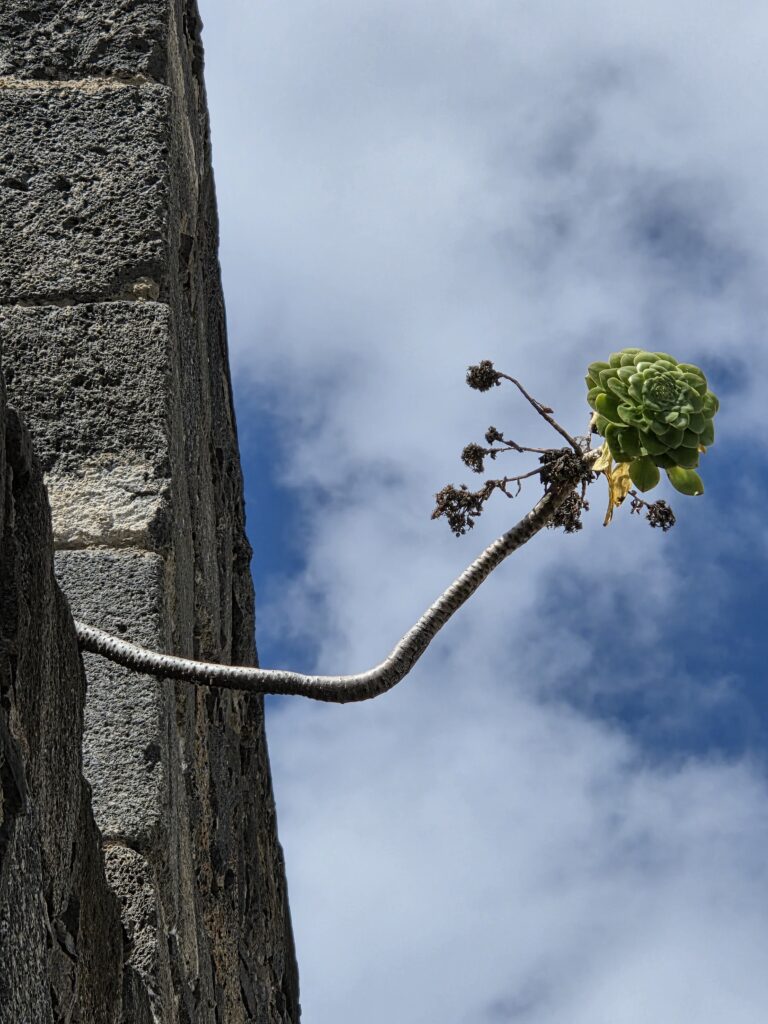
In northern Tenerife, greenery doesn’t always wait for the designer. Sometimes it appears of its own accord: in a crack in the parapet, by a blocked drain, on a thin layer of dust blown in from the street, or in the porous, grouted surface of an old terrace.

This is not a ‘roof garden’ in the catalogue sense. There are no system layers, species lists, automatic irrigation or renderings of people drinking coffee amongst ornamental grasses.

Instead, there is something more interesting: a spontaneous record of the climate and the plants found in the area.
The north of the island is more conducive to such surprises than the postcard-perfect, tourist-packed south.
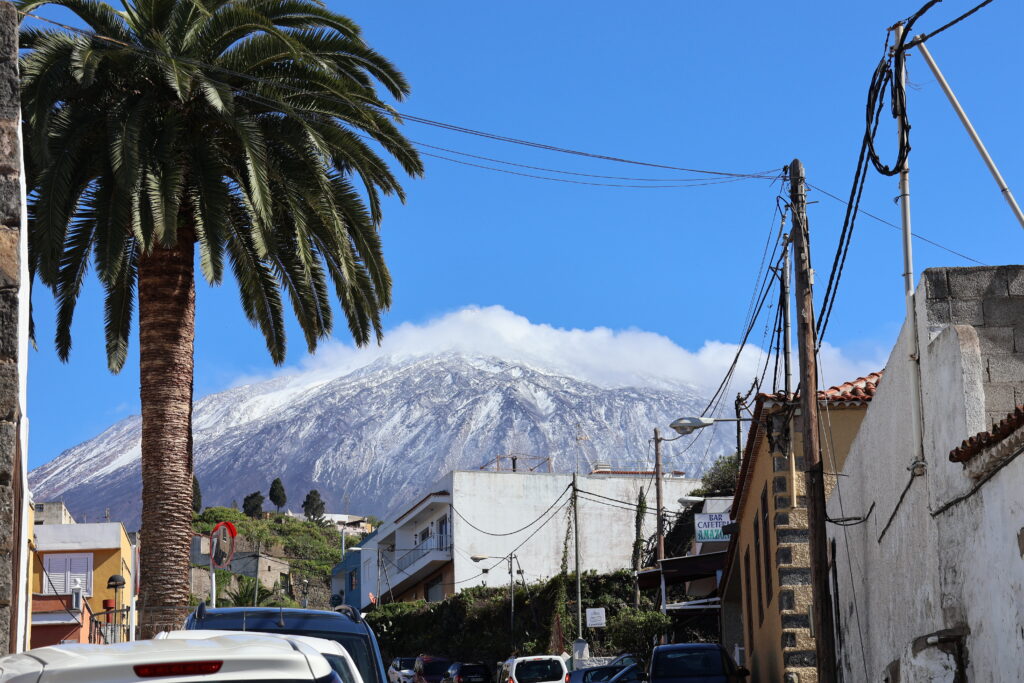
Tenerife is an island of microclimates, and its northern and north-eastern slopes remain under the strong influence of humid trade winds.
Tenerife’s official tourist website describes how the island’s climate is shaped by, among other things, cold ocean currents, trade winds and orography, and notes that the greenery of the northern highlands is ‘shrouded in moisture’, whilst the coast remains mild in temperature.
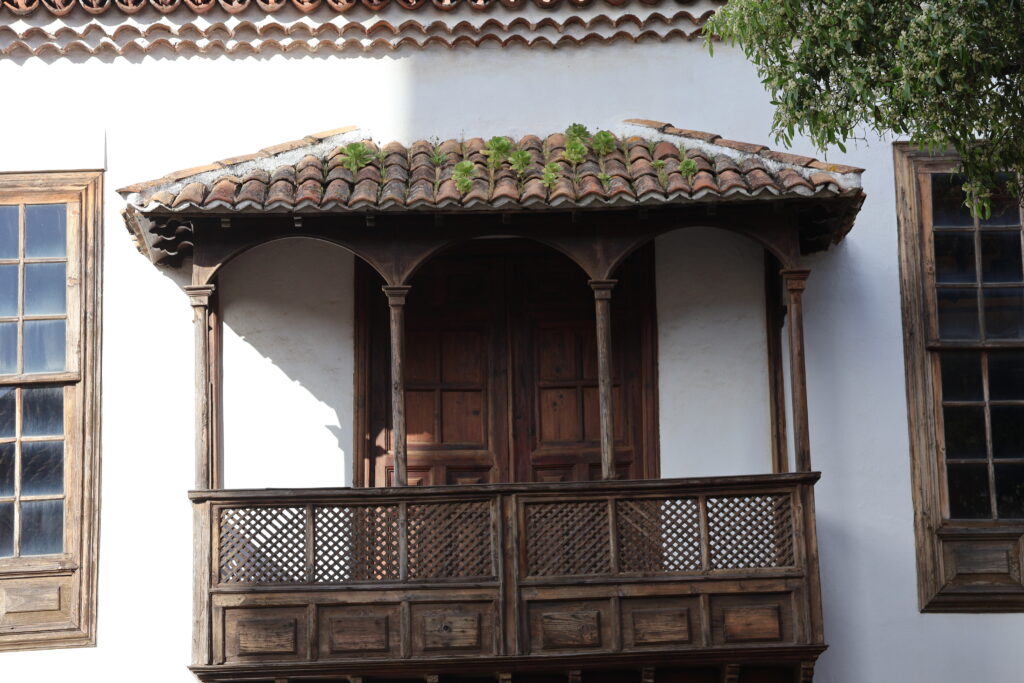
It is precisely this moisture (fog, cloud cover, periodic ‘horizontal precipitation’ settling on surfaces) that means an ordinary roof here is not merely a dry, lifeless surface.
In the landscape of northern Tenerife, the most important landmark remains Anaga: a mountainous, humid massif in the north-east of the island, designated a UNESCO biosphere reserve. The Macizo de Anaga is situated in the north-eastern part of Tenerife and is characterised by a very high diversity of fauna, including around 1,900 species of invertebrates.

This context is also significant for the roofs in La Laguna, Puerto de la Cruz, Tacoronte and the smaller towns of the island’s northern belt.
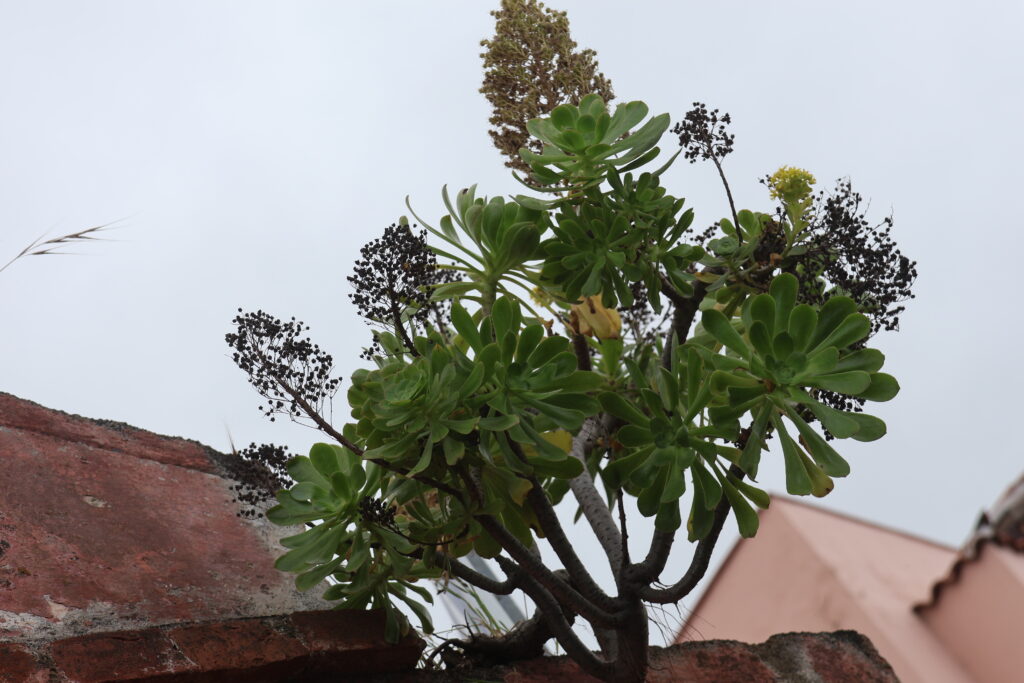
The spontaneous greenery on the roofs of buildings is not detached from the surrounding nature; it is its microscopic, urban echo.
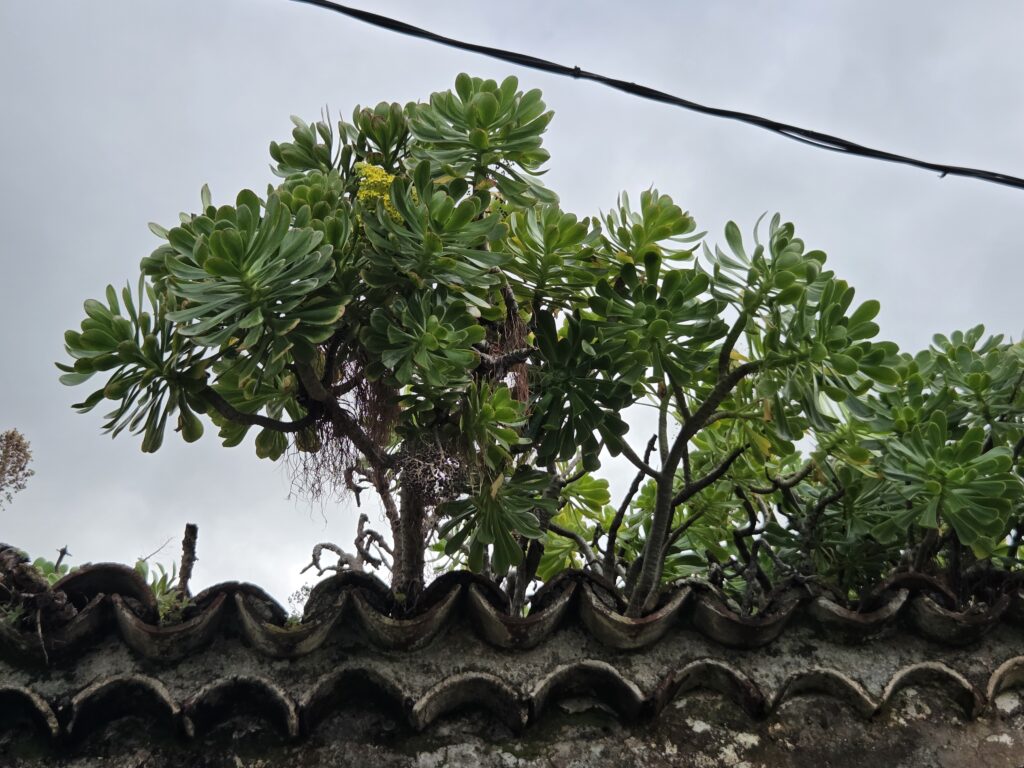
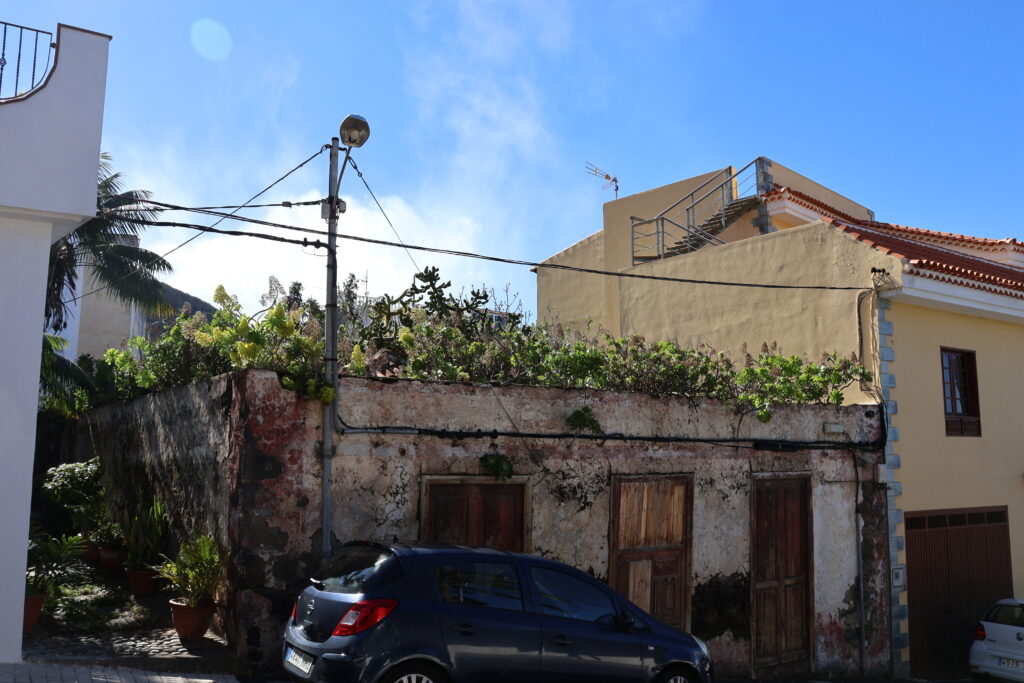
Unplanned roof vegetation usually starts with a mistake. Someone failed to clear the drain. Sand, volcanic ash, leaf litter, and organic debris carried by the wind and birds have accumulated on the roofing felt or concrete. Water has pooled there for longer than the design intended.
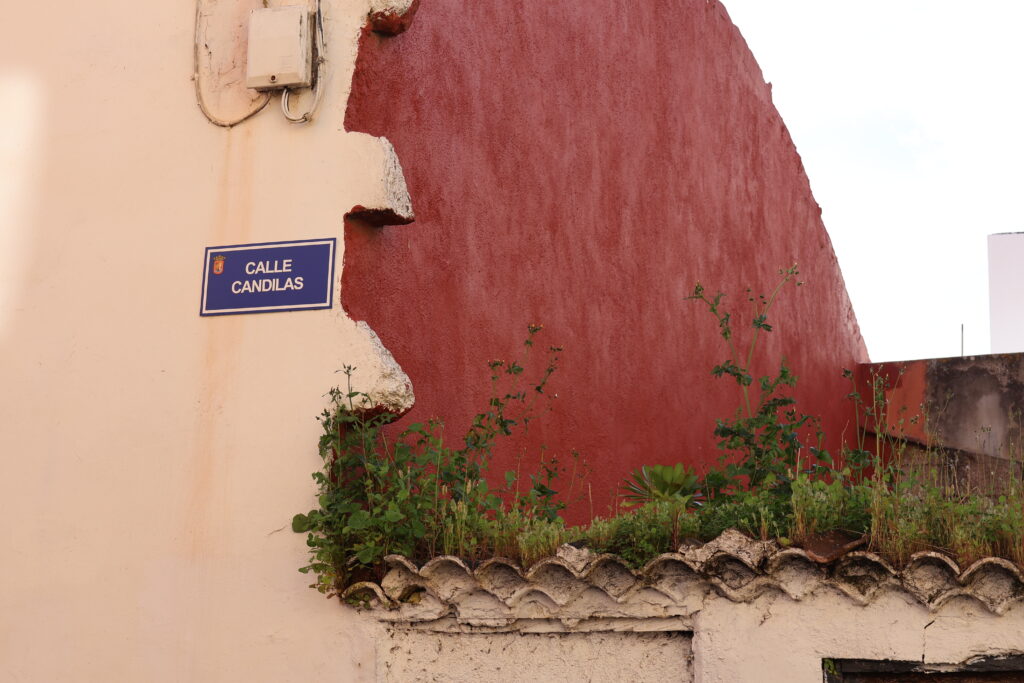
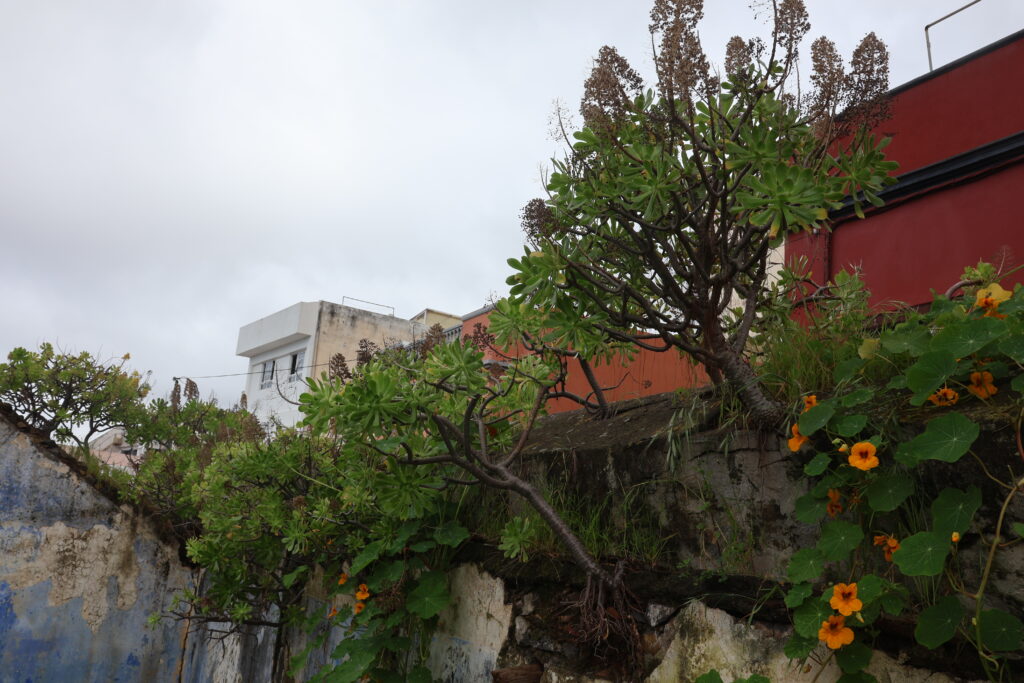
Moss appeared in the gap, followed by small herbaceous plants, sometimes seedlings of fig, prickly pear, grass or a ruderal species capable of thriving with minimal soil.
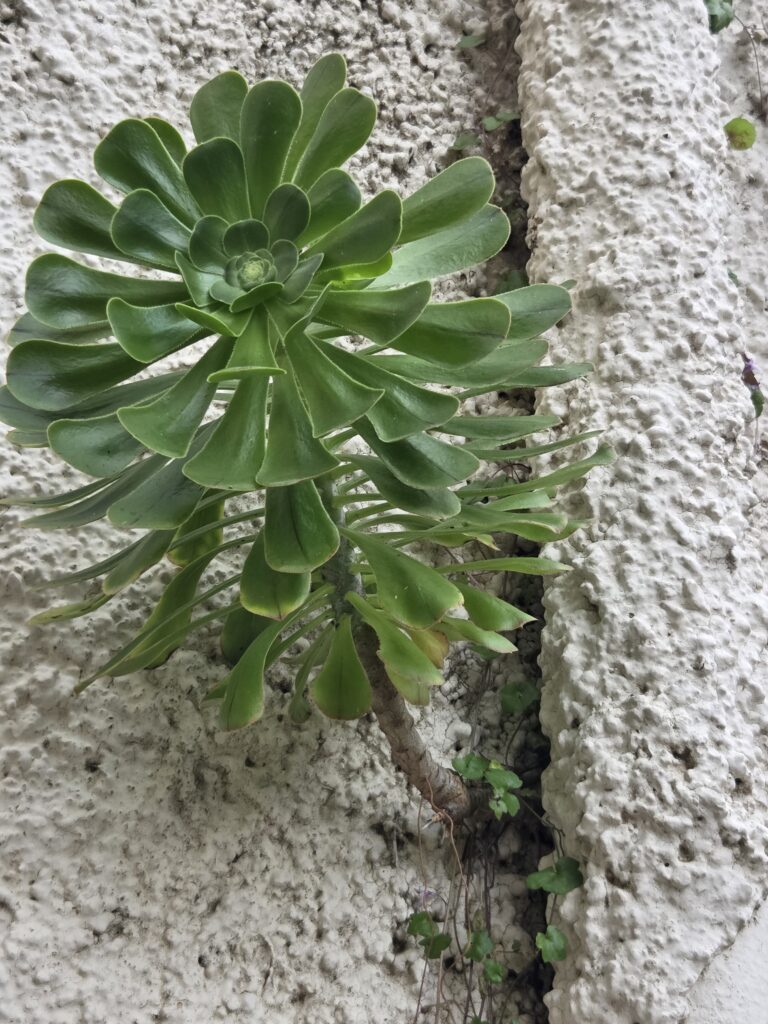
An architect sees this as a potential technical problem. An environmentalist sees a habitat. A local or a tourist (depending on their perspective) sees either a mess or a marvel.
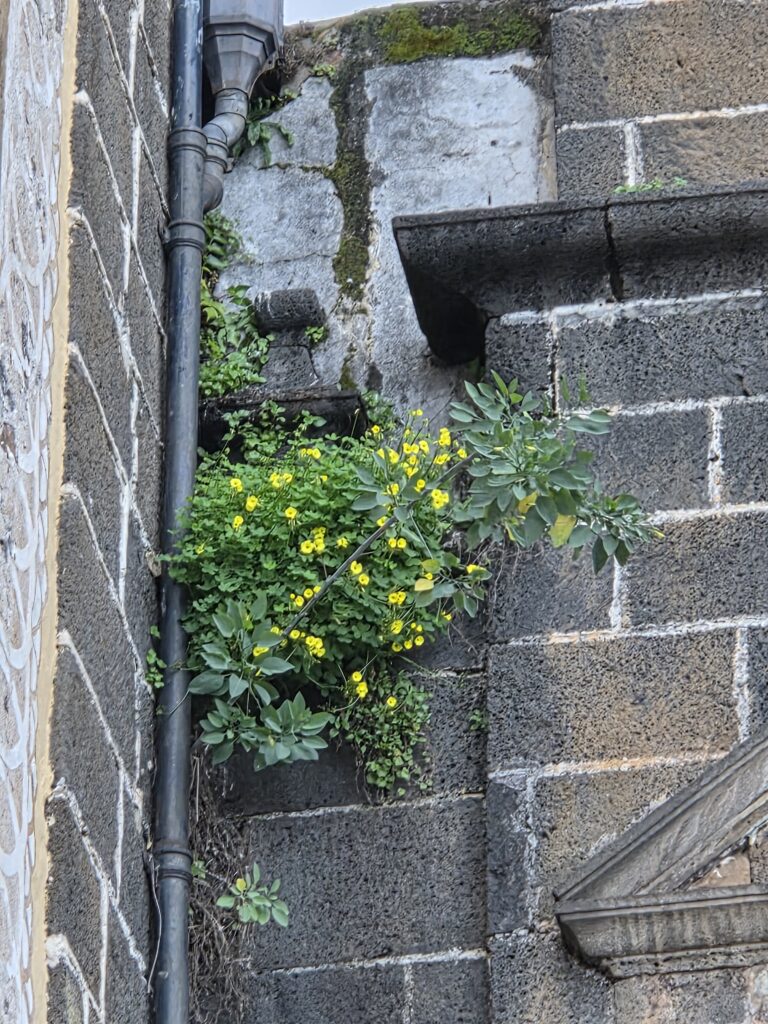
Unplanned greenery exposes the false distinction between ‘desirable’ and ‘undesirable’ nature. The former features in urban strategies, investment brochures and renderings of apartment blocks.
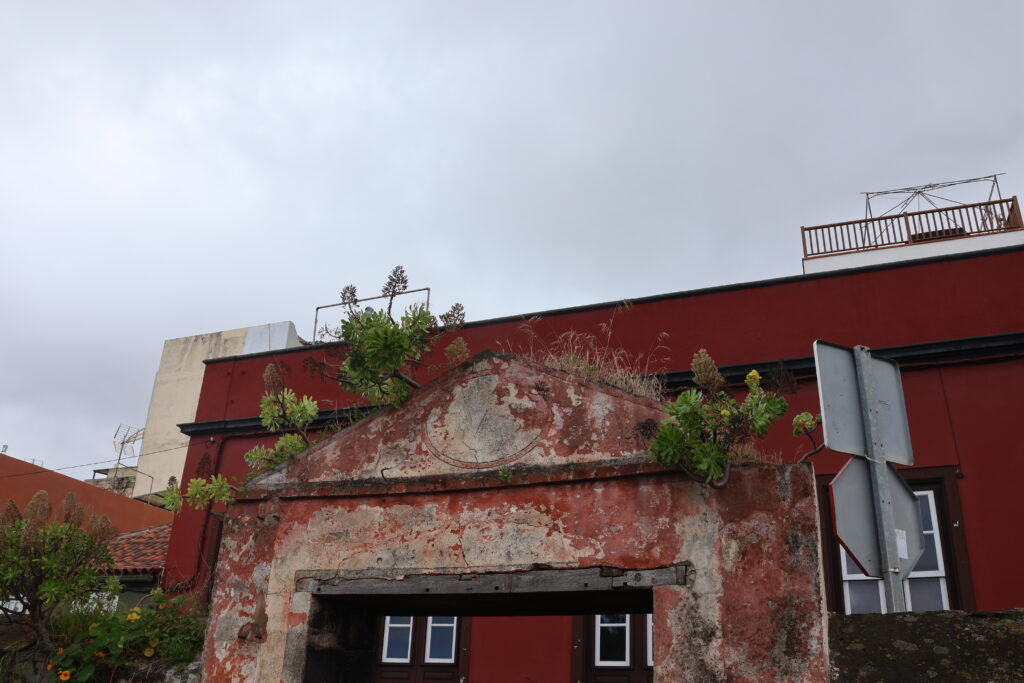
The latter grows without permission, without a budget and without a sign bearing its Latin name.
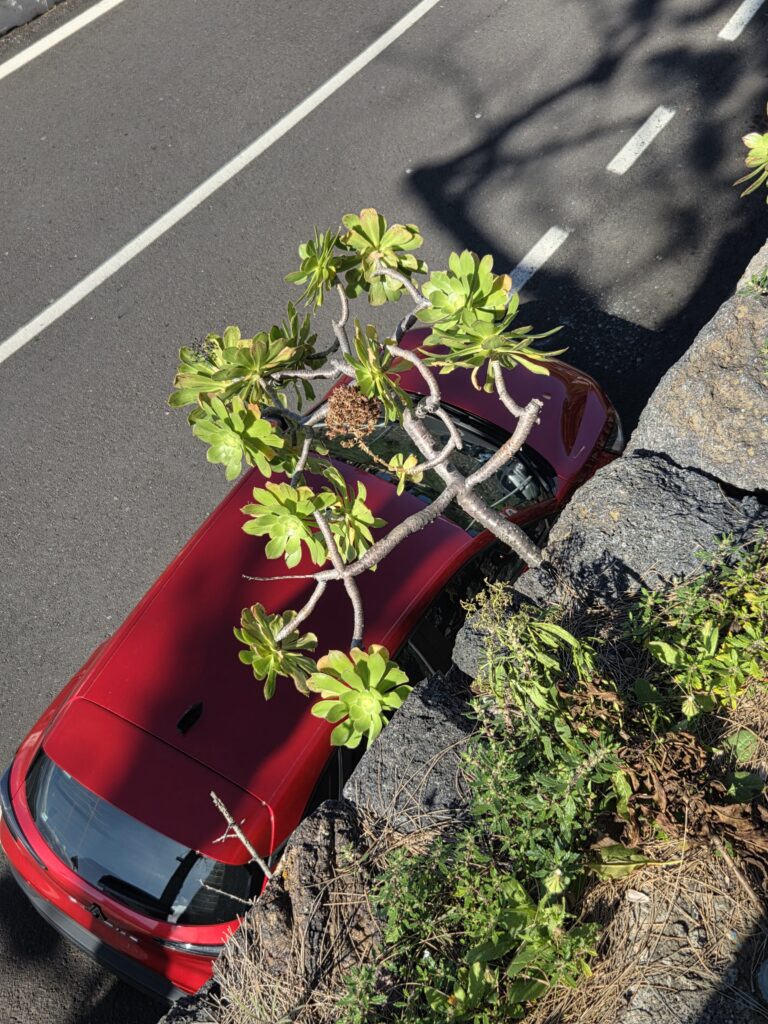
And yet it is often the best indicator of where damp really is in the city, where organic matter accumulates, where the structure breathes, and where it starts to deteriorate.
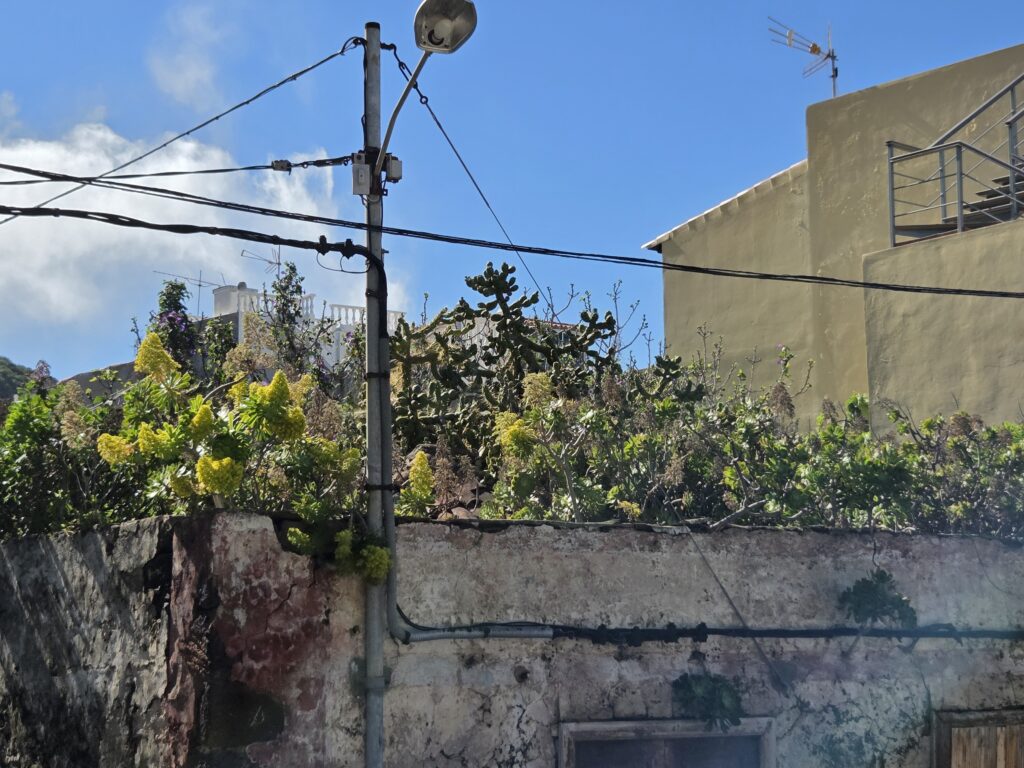
In northern Tenerife, rooftops serve as a unique laboratory. On the one hand, they are subject to mild temperatures, oceanic humidity and the trade winds.
On the other, they face intense sunshine, sea salt, sudden downpours and building materials of varying quality.

Spontaneous vegetation is a romantic backdrop for tourists, but for a building owner or manager, it can also serve as an indicator. It may signal: a niche for life has formed here.
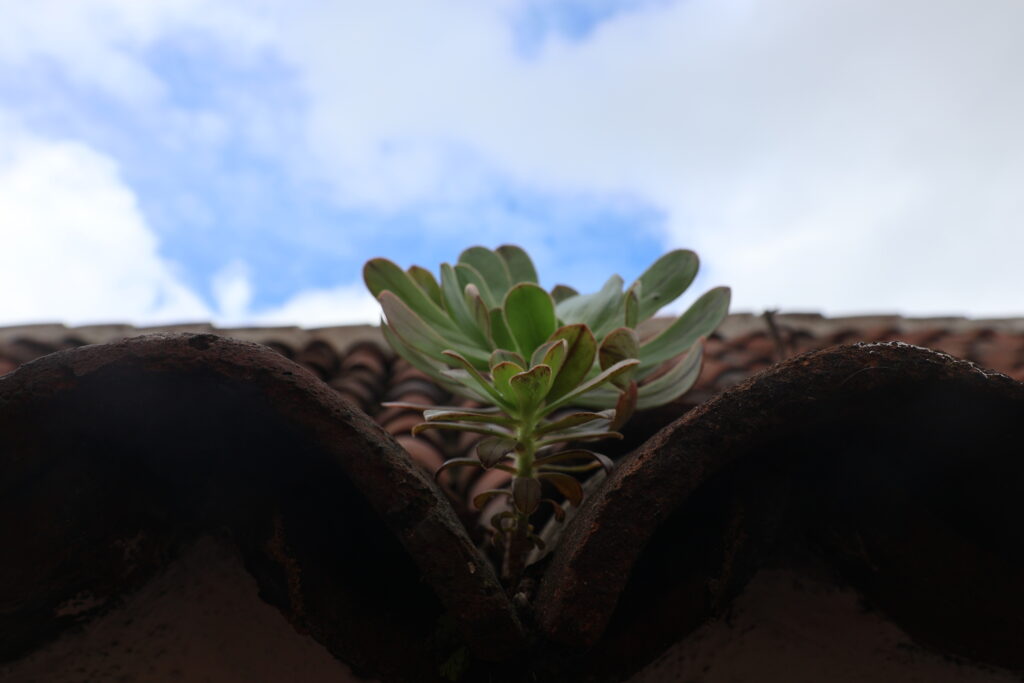
But it may also warn: water is pooling here; roots could breach the waterproofing layer.
In the age of the climate crisis, cities should value green spaces that don’t look like they’ve been plucked straight from a blueprint.
Santa Cruz de Tenerife recently announced a ten-year plan for green infrastructure and biodiversity, with measures to boost climate resilience and increase tree canopy cover by 30 per cent.
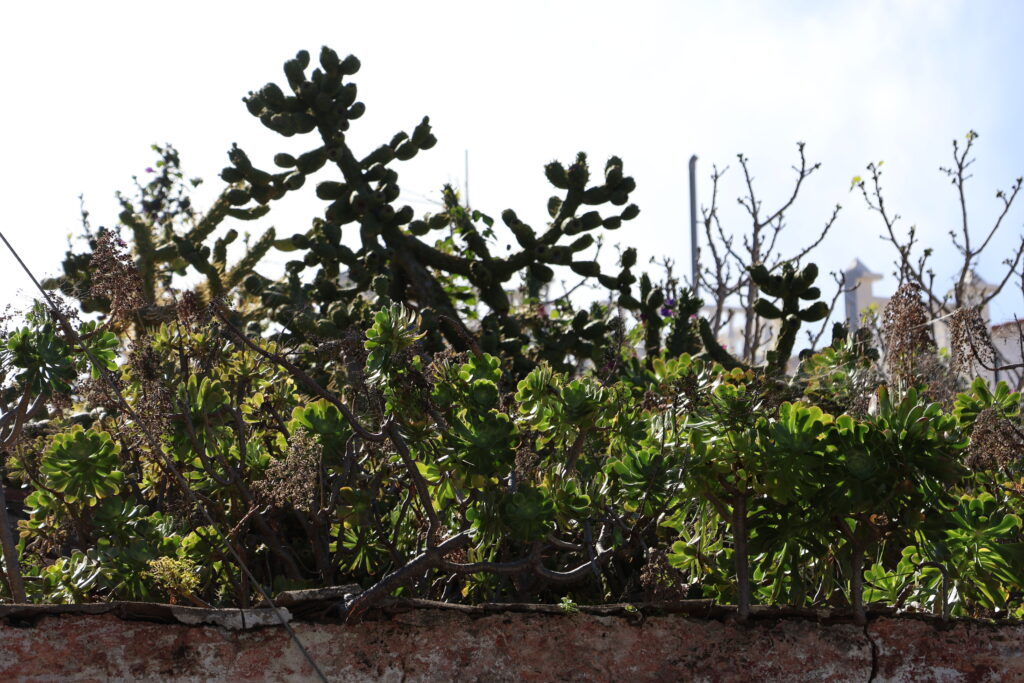
This shows that, on the island too, greenery is increasingly being viewed as a system rather than merely as decoration. In such a system, unplanned vegetation can act as a scout: it shows where nature itself finds the conditions to take root.
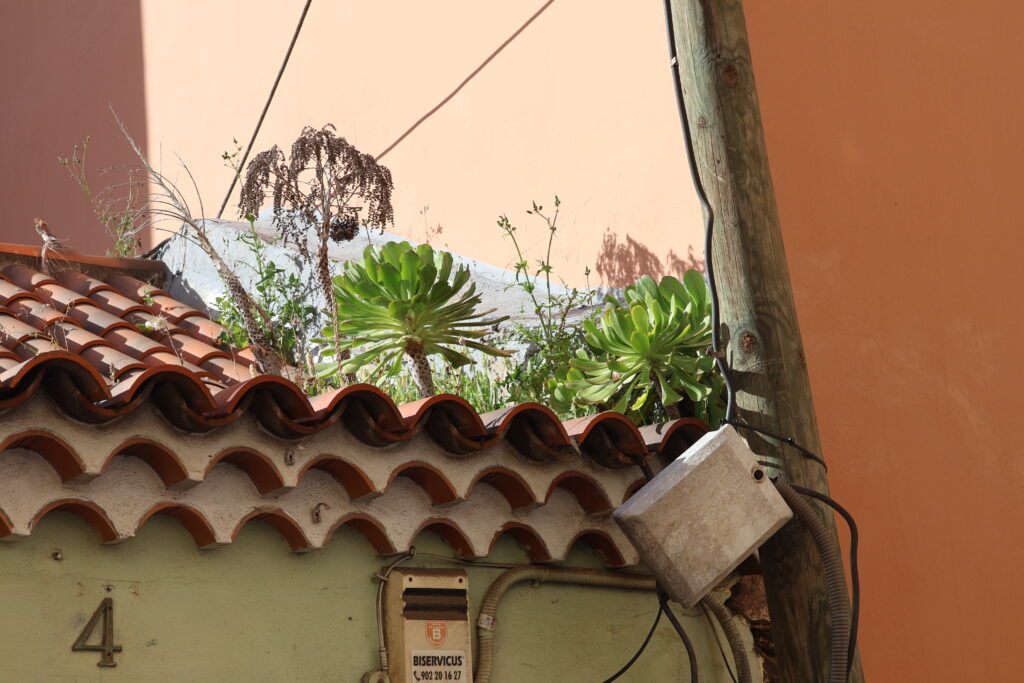
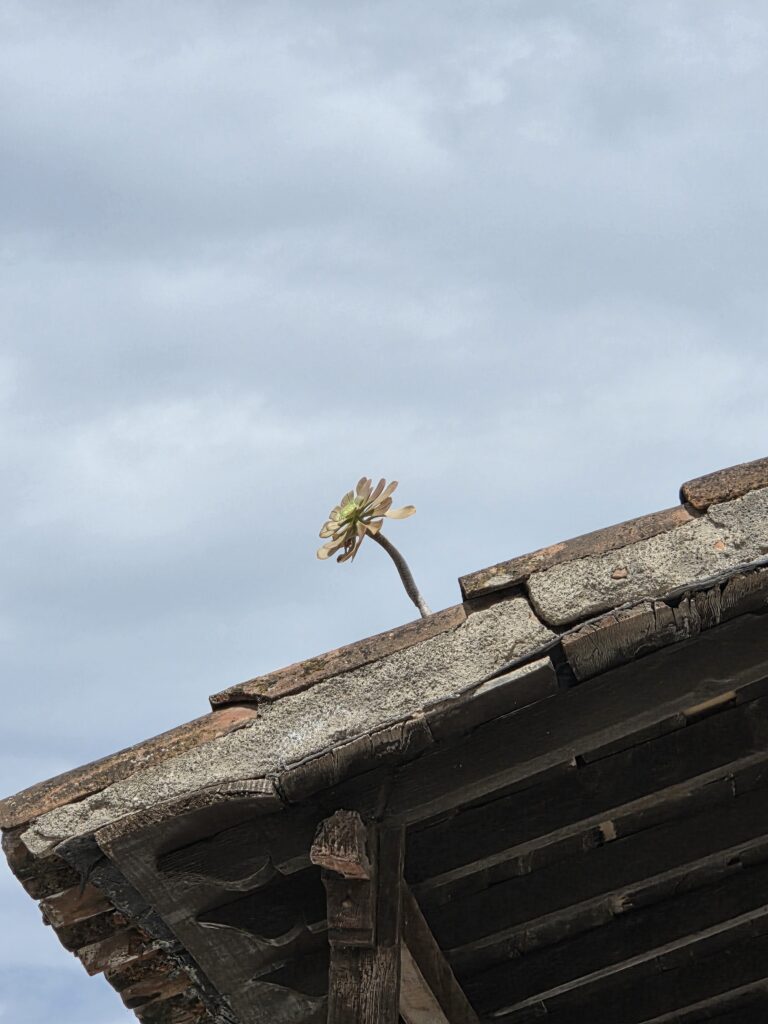
Northern Tenerife, with its trade winds, mists and abundance of strikingly beautiful succulents, demonstrates that nature does not always wait to be invited. Sometimes it squeezes through a crack.
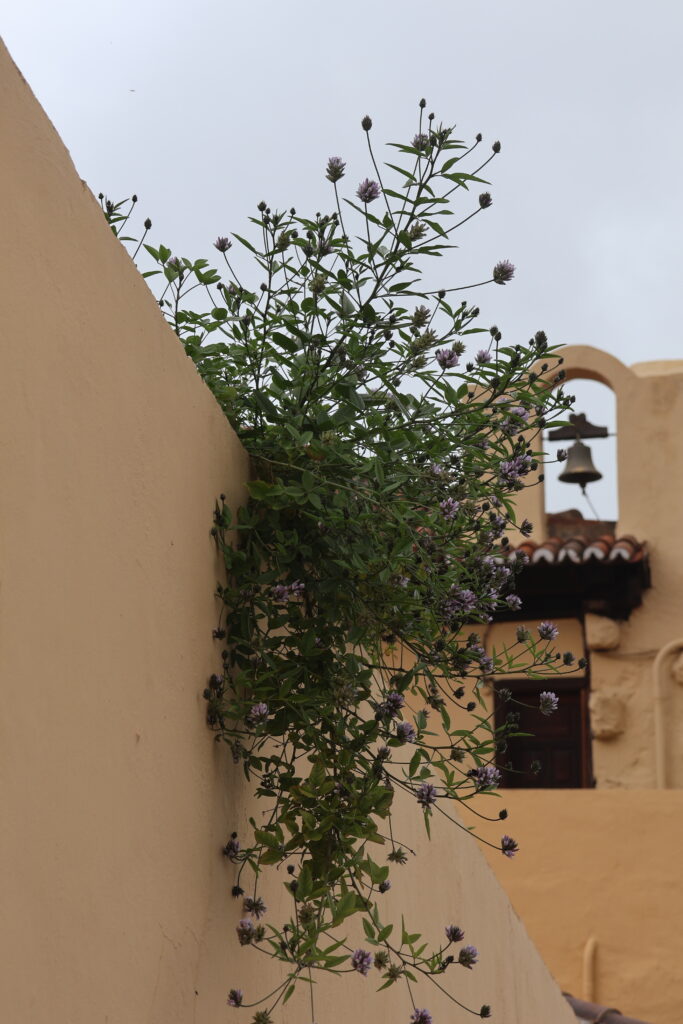
Tenerife has excellent conditions for developing extensive green roofs: beautiful succulents that grow on volcanic slopes and ‘climb onto the roofs’ of their own accord,
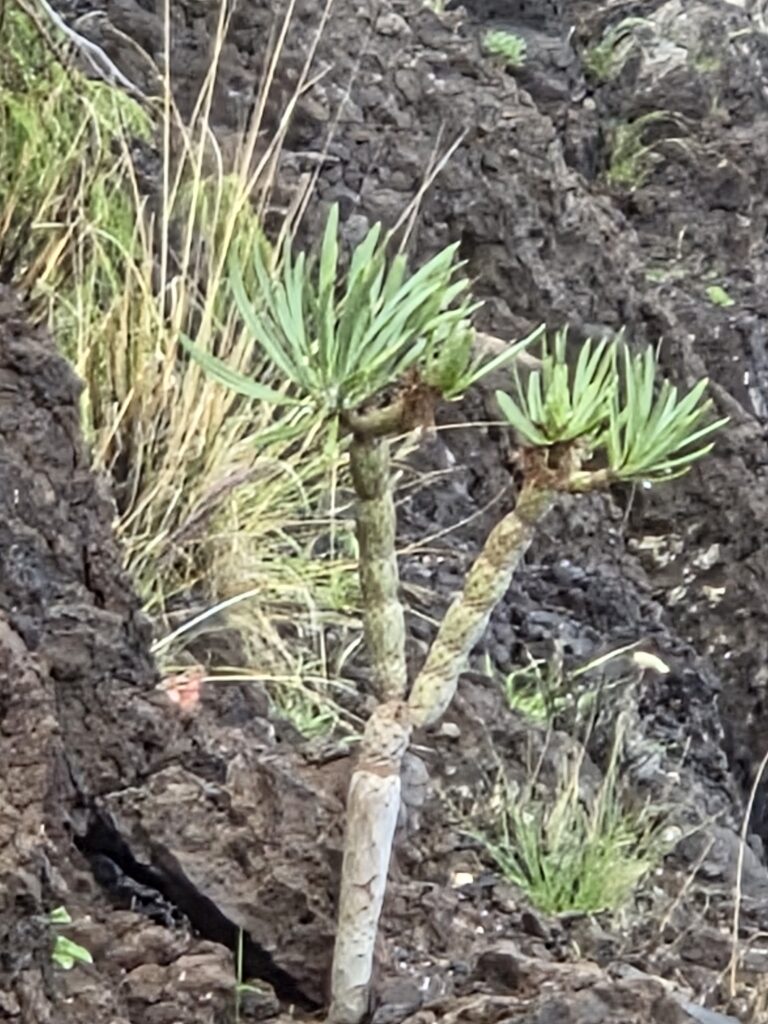
readily available natural ingredients for the growing medium (namely volcanic tuff, which is the most sought-after component of green roof substrates worldwide) and a building stock dominated by flat roofs. Let’s plant vegetation on our roofs. Nature itself is telling us to do so. All that remains is to listen…
Author: Katarzyna Wolańska
The photographs were taken in April 2026.
Zobacz też wersję polską: